
Why Communication Is Important for Managers, Employees, and Leadership
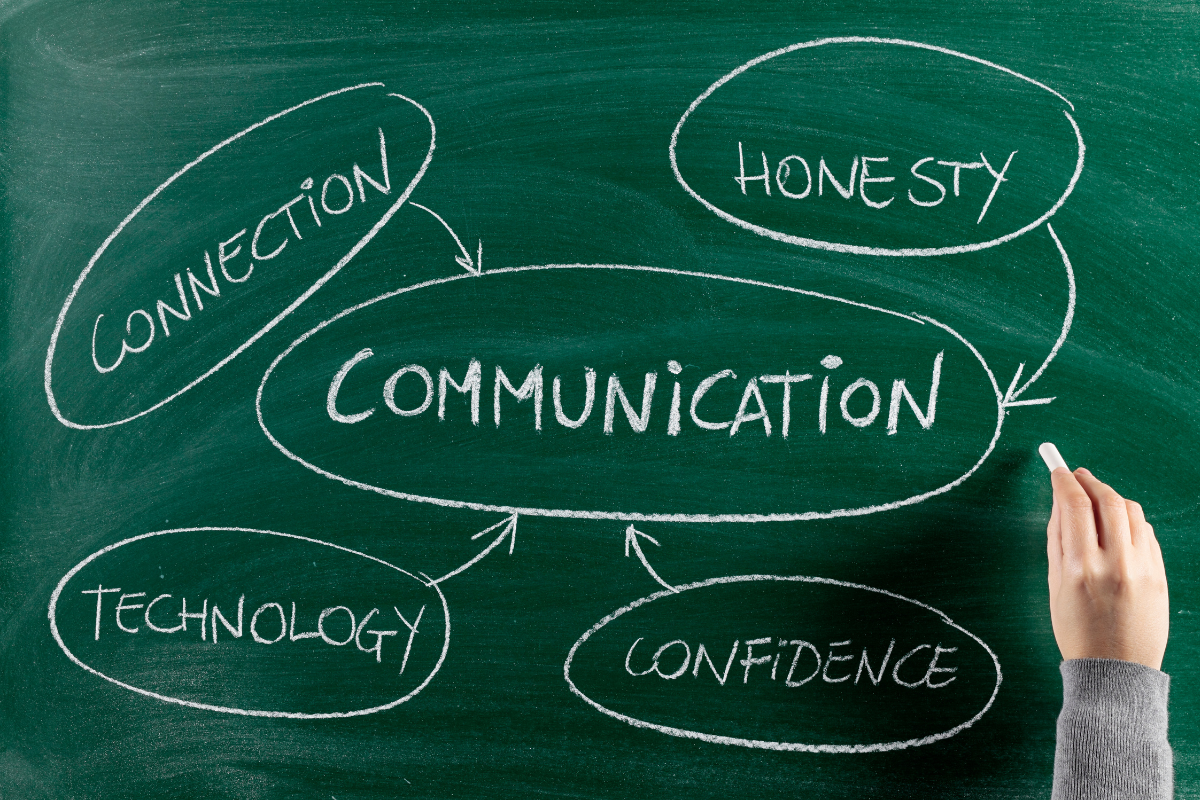
Effective communication acts as the backbone of every successful organization. Whether it’s managers guiding teams, employees collaborating on tasks, or leadership setting strategic direction—clear communication determines success, productivity, and organizational development.
Introduction
Communication is one of the most essential interpersonal skills in the workplace. It is a core element of professional development courses, management training courses, and leadership programs worldwide. Managers must communicate goals, employees must communicate needs and progress, and leadership must communicate mission and values. In the modern workplace, communication directly influences team effectiveness, project management skills, and overall human resources training. Companies like the Center for Creative Leadership and American Management Association consistently highlight communication as one of the top leadership strengths that influence performance and culture. When communication fails, misunderstandings increase, motivation drops, and productivity suffers. When communication succeeds, people collaborate better, morale improves, and organizational outcomes rise.
Communication for Managers — Building Trust and Clarity
Managers play a core role in organizational development, and communication is the biggest leadership tool they have. Good managers provide clear instructions, set expectations, and give feedback that improves self management skills and performance. Through strong communication, managers foster good personality traits such as honesty, listening ability, and empathy while reducing misunderstandings and stress at work. This also improves management skills and managerial effectiveness in areas such as conflict resolution, goal-setting, and time in management. Whether a manager is handling a project management course or directing a business management certificate process, good communication ensures smooth workflow. Improving communication enables managers to influence professional development goals, reduce bad personality traits like ego or defensiveness, and promote accountability instead of blame.
Communication for Employees — Enhancing Teamwork and Productivity
Employees who communicate effectively are more productive, motivated, and confident in their roles. Communication helps employees build good personality traits such as reliability, self-awareness, and collaborative mindset. In personality development classes and HR training, communication is often taught as a foundational skill because it allows employees to express concerns, share ideas, and request support when needed. Employees who communicate clearly reduce mistakes, increase task accuracy, and improve time management for students transitioning into professional environments. As workers develop self development goals through continual learning, their ability to communicate enhances their job satisfaction, career growth, and value within the organization.
Communication in Leadership — Inspiring Vision and Strategic Direction
Leadership communication differs from managerial communication. Leaders don’t just manage tasks—they influence perspectives. Leaders must communicate vision, create emotional connection, and inspire trust. Different leadership styles such as transformational, democratic, and coaching leadership use communication to motivate and empower the workforce. Leaders must avoid a self-centered approach (see self awareness definition vs. definition for self centered) and instead focus on clarity, emotional intelligence, and long-term engagement. Leadership strengths like empathy, persuasion, and vision rely heavily on communication. Effective leadership examples from educational sources like the personal development school or organizational institutions show that communication ultimately defines how employees perceive and follow leadership.
Communication and Employee Development — Guiding Growth and Potential
Professional development classes and self development courses often highlight communication as a catalyst for personal and professional growth. Communication allows feedback to be shared constructively. It enables coaching, mentoring, and support. In HR certificate programs or human resources training environments, communication is taught as a tool that shapes company culture, employee performance, and retention rates. Employees with strong communication tend to advance more quickly, qualify for leadership training near me opportunities, and display qualities of a good personality such as confidence, kindness, and adaptability. Communication also plays a role in reducing bad personality traits such as impatience, negativity, or dismissive behavior.
Communication and Project Management — Ensuring Efficiency and Alignment
In project management skills development, communication ensures that team members clearly understand roles, timelines, and expectations. When communication is poor, delays and errors increase. When communication is strong, teams understand dependencies, time allocation, and priorities. This is also essential for self management skills and time management initiatives within the workplace. Project managers who communicate effectively reinforce the importance of responsibility, documentation, feedback, and proactive planning. Whether someone is pursuing a business management course, management training, or professional development courses, communication is the mechanism that connects strategy with execution.
Communication Culture — Strengthening Organizational Health
Organizations that value communication tend to have happier employees, stronger loyalty, and better operational performance. Organizational development frameworks consistently emphasize transparency, active listening, and accessible communication channels. These include email etiquette, meeting practices, performance reviews, and collaborative tools. Companies that invest in communication create environments where employees feel psychologically safe, open to sharing ideas, and willing to innovate. Over time this reduces internal conflict, lowers stress, and improves well-being across the entire workforce. Communication therefore becomes not only a managerial skill but also a cultural identity.
Conclusion
Communication is not just a soft skill—it is a strategic capability that drives success for managers, employees, and leaders. It enhances teamwork, decision-making, trust, and productivity. Whether in leadership training near me, personality development classes, management training courses, or self development goals coaching, communication remains central to career advancement and organizational success. A company with strong communicators creates strong leaders, healthier teams, and a competitive edge in the business world.